Visible mending, in which repairs are made decorative rather than hidden, is spreading from hobby crafters and community workshops to fast-fashion brands and designer catwalks, according to a BBC Business report.
Alice Brown, a 27-year-old forest ranger from Lincolnshire, needle-felts animals and insects over moth holes and stains. She says she sees a hole as a challenge. Jayne Eagle, who runs workshops in Brighton, describes repair as an "act of rebellion" against fast fashion. Her students learn patching techniques inspired by the Japanese methods Boro and Sashiko.
The report says retailers are adopting the trend. Ralph Lauren and Shein sell stitched and patched garments, though both sell them brand new. Uniqlo offers in-house repairs and decorative mending using Sashiko techniques. Primark has joined the trend, and its longevity lead, Vicki Swain, says affordability and durability should not be opposites. Outdoor brand Finisterre says about a fifth of its mends are designed to be eye-catching. Toast says about a third of its customers choose that option, and it employs 14 in-house "repair artists".
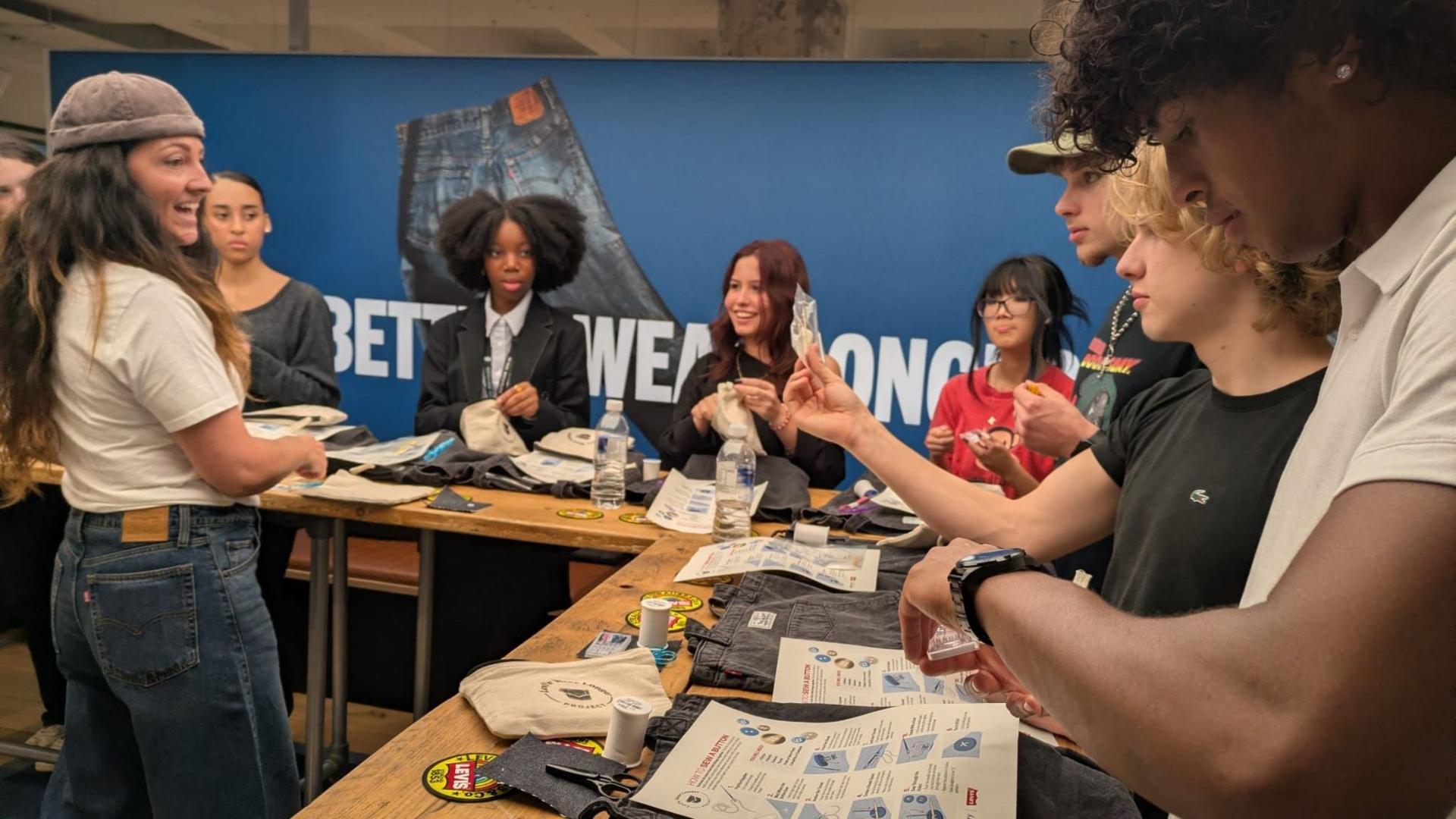
Levi's is rolling out a workshop programme this year. Its research, the report says, shows younger customers want to repair more but do not know how. Its current workshops focus on traditional skills such as sewing on buttons and hemming, not visible mends. Some younger participants said they would rather hide repairs. Bianca, 16, said people in East London mock visible holes as a sign of poverty. Paul Dillinger, Levi's head of global design innovation, predicts that creative repairs will gain acceptance as people learn more skills.