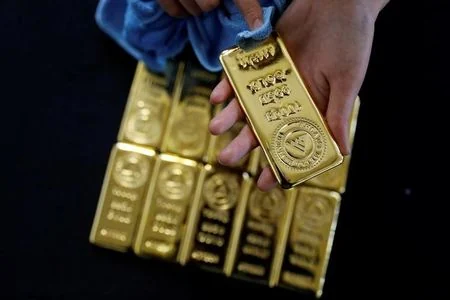
Gold rebounded above $4,100 an ounce on Monday, but the move is fragile. Spot gold rose 0.8% to $4,123.60, yet it had fallen 0.4% on Friday and traded near $4,070 after U.S. data showed employers added 165,000 jobs in October, beating every forecast. A metal that retreats on good news for the economy is telling investors something, and the market should listen.
The core problem is the Federal Reserve. Stronger labour-market figures revived expectations of further rate increases, and the report notes that markets expect another hike at the December meeting amid persistently elevated energy prices. Higher rates raise the opportunity cost of holding a non-yielding asset such as bullion. Consumer sentiment also improved to a three-month high in early November, which points to resilience that makes rate cuts less likely in the near term.
The post-election rally rested on a different story. Gold climbed above $4,000 as Treasury yields and oil prices fell on expectations that incoming Democrats would push to end the Iran conflict, and investors judged that divided government would restrain spending and borrowing. Those are reasonable bets, but they are political bets, not monetary ones. When the jobs data arrived, the rate outlook took over, and the gains were partly reversed.
Context matters here. The report notes that gold remains about 20% below its level before the U.S.-Iran conflict erupted in late February. ANZ analysts described bullion as volatile last week. A market this far off its earlier peak and this sensitive to each data release is not one that rewards confident positioning on a single headline.
Investors should watch Tuesday's U.S. consumer price index report closely and treat the next rise or fall as a test of the rate narrative rather than proof of a new direction. If inflation comes in hot, the case for further tightening strengthens and gold's recent gains look vulnerable. If it cools, the rebound has room to continue. Either way, the sensible response is restraint: size positions for volatility, not for the optimism of one afternoon's rally.