US consumer prices rose 0.4% in October from the previous month, after seasonal adjustment, the Bureau of Labor Statistics reported Tuesday. That is down from a 0.6% increase in September but above the 0.3% economists had expected.
Mark Zandi, chief economist at Moody's, called the figure "uncomfortably high." He said, "The Fed's not going to be happy about it. It certainly makes it more likely we get another rate increase in December."
The Federal Reserve raised rates in September amid a pickup in inflation, which the report says economists largely attribute to the war in Iran. The Fed held rates steady at its October meeting.
Core CPI, which excludes food and energy, rose 0.3% in October, the same as in September and August. Zandi said a consistent monthly reading around 0.2% would be more in line with the Fed's 2% annual target.
The Bureau of Labor Statistics did not publish an annual inflation rate in this report because of the federal government shutdown that ran from Oct. 1 to Nov. 12 of last year. The agency did not release an inflation report for October 2025.
Economists cited several factors. The shelter index rose 0.3% and accounted for over 30% of the monthly increase, according to the bureau. Zandi said he does not expect that pace to persist.
Josh Hirt, senior U.S. economist at Vanguard Group, attributed core inflation to "three outsized shocks: tariffs, energy prices, and AI-related demand."
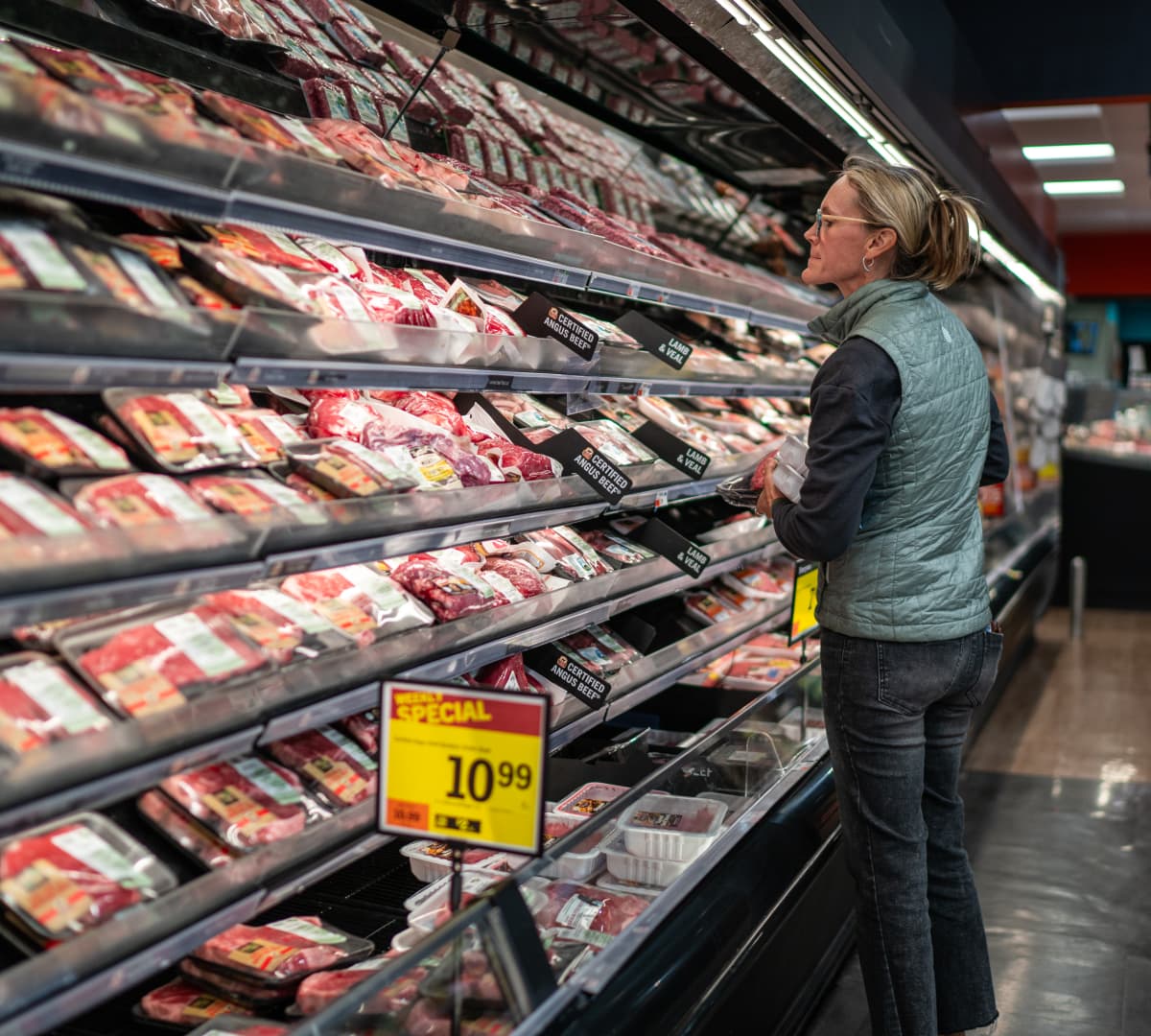
Gasoline prices rose 1% in October, after a 9.1% increase in September. Food prices rose 0.5% after being unchanged in September. Airfares climbed 0.4% after increases of 1.2%, 2.7% and 3.8% in the preceding months.
Thomas Ryan, senior North America economist at Capital Economics, said diesel prices pass through slowly to consumer prices. He expects an inflationary effect for at least the next three to six months. Zandi said the inflationary impact of tariffs should fade by year end if the White House does not renew its push for more import taxes.