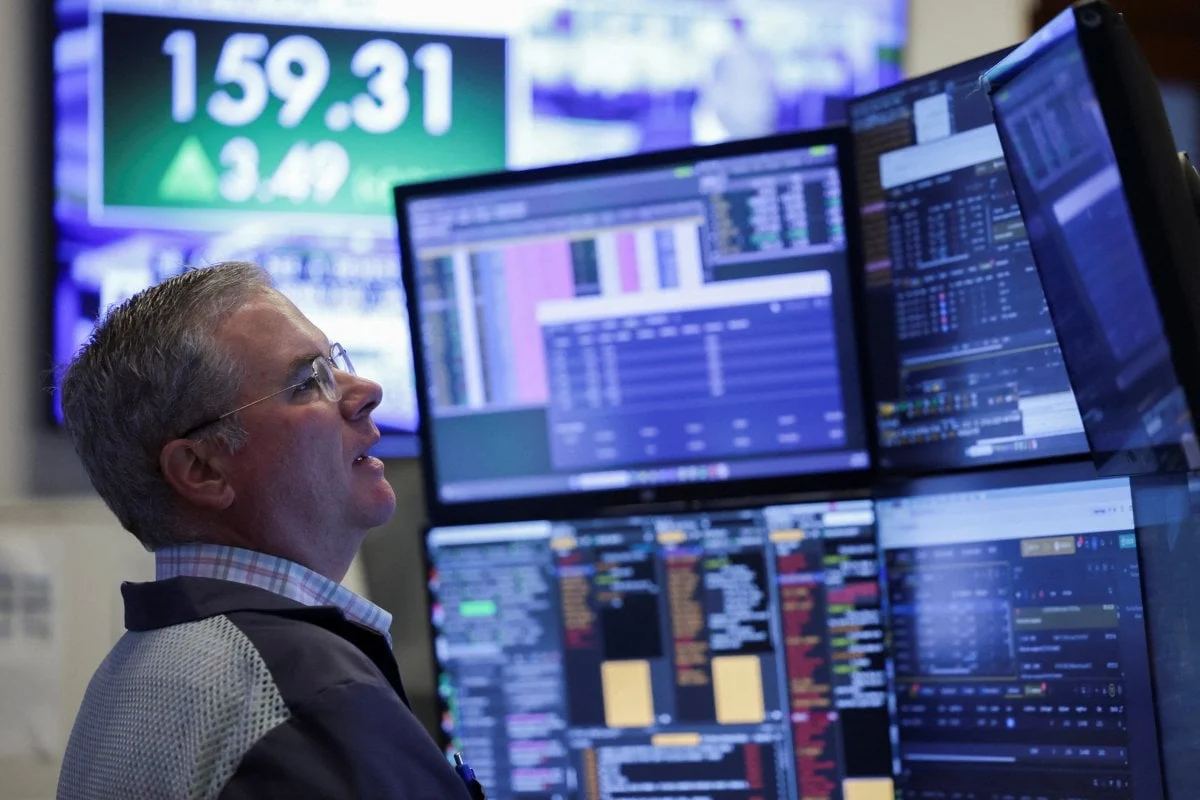
U.S. stocks fell sharply on Friday as a selloff in tech shares deepened. Investing.com reported that the tech-heavy Nasdaq Composite dropped 3.3% to 23,082.15 points at 11:48 ET, turning negative for the year. The S&P 500 slid 1.9% to 7,038.02 points, and at its session low briefly entered correction territory. The Dow Jones Industrial Average slipped 0.5% to 48,850.14 points.
Anthropic shares fell almost 11% after the company's initial public offering. The stock opened Thursday with an early gain and finished that day 17% above its $83 IPO price. The report called the offering record-smashing but said it did little to ease wider concerns about the artificial intelligence trade.
According to the report, the S&P 500 posted its longest daily losing streak in more than two and a half years in the previous session. Global shares were on pace for their worst run since 2023, and a barometer of Asian shares was heading for its worst week since the COVID-19 pandemic began in 2020.
Investing.com attributed the pressure to several factors: concerns about the profitability of AI-exposed companies, debt-fueled spending on AI infrastructure, higher borrowing costs, and worries that Democrats could use their midterm election wins to slow data center development. The report also cited a leadership scandal at Nvidia. It said a tracker of semiconductor names was roughly 35% below a June peak. Nvidia shares remained under pressure after the company's ouster of former CEO Jensen Huang, despite an upbeat revenue forecast earlier in the week. Advanced Micro Devices fell after short seller Hunterbrook disclosed a short position. CoreWeave and Nebius also dropped.
David Morrison, senior market analyst at Trade Nation, said in a research note that it was "probably too much to call this a melt-down, but to say that investor sentiment has started to sour is an understatement." Analysts at Vontobel wrote that no AI borrowers had defaulted on their debt and chip orders remained strong. They said the key question is whether borrowing cost and permitting headwinds stay manageable or trigger a broader AI bear market.
Investors moved toward bonds, and the 10-year U.S. Treasury yield slipped below 5%. The report said minutes from the Federal Reserve's October meeting reinforced expectations of further tightening. According to CME FedWatch data, markets were nearly pricing in at least a 25-basis-point rate increase at the December meeting. Citi analysts wrote that falling equity valuations may limit the Fed's willingness to keep raising rates.