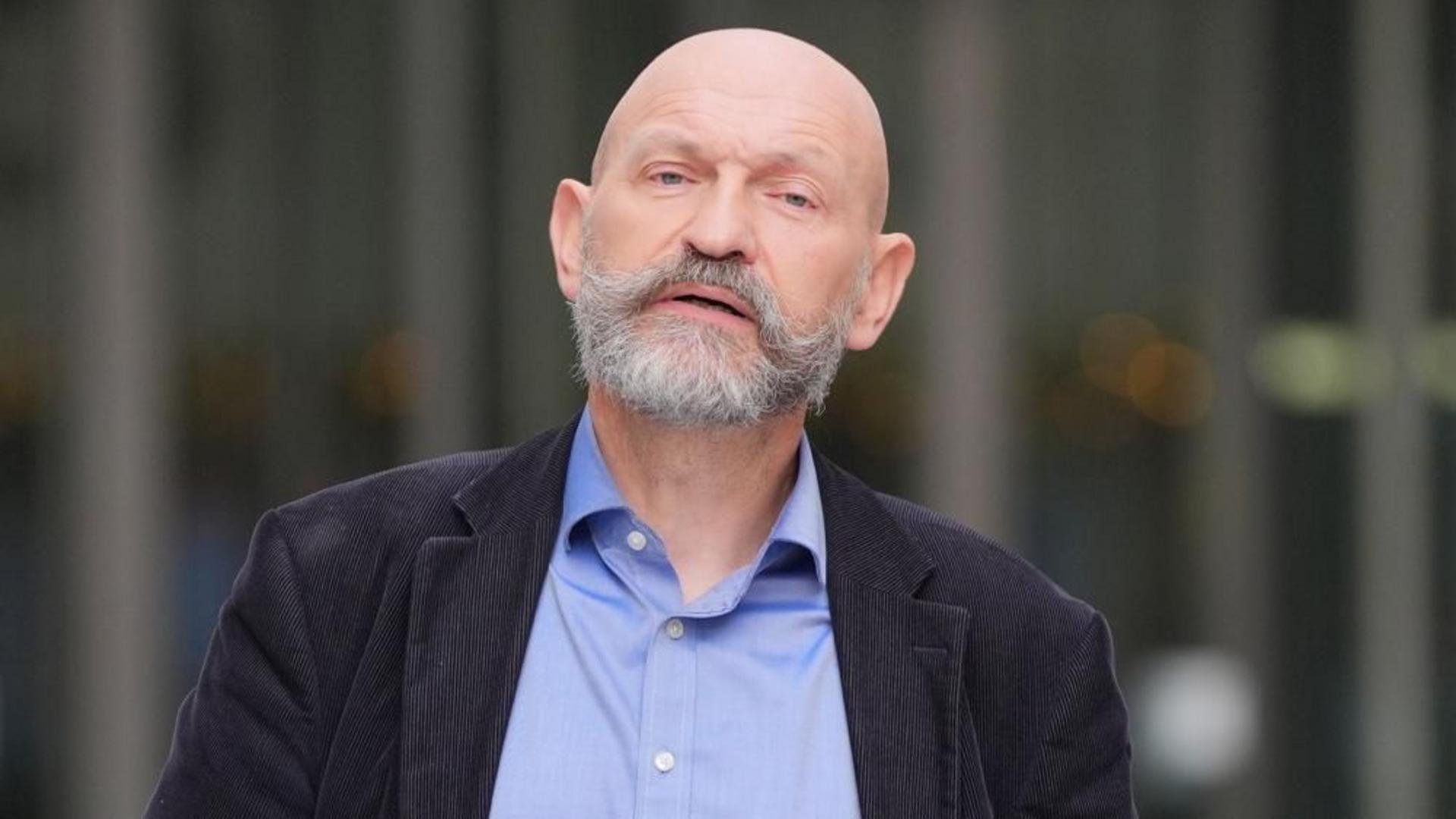
Centrica chief executive Chris O'Shea said he is "hugely concerned" about the expected rise in energy bills from January. Speaking to the BBC's Sunday with Laura Kuenssberg programme, he said he expects the number of people unable or unwilling to pay their energy bills to rise when prices go up.
O'Shea said predictions for a "substantial increase" in bills were "materially correct." He noted that the first quarter of the year is when most energy is consumed, adding that people will be paying for Christmas at the same time. He described a "massive problem" with unpaid bills in the UK, including people who cannot pay and an "increasing number of people that are choosing not to pay."
He said that every electricity consumer is paying about £1.50 to £1.60 a week to cover unpaid bills, and that "it's just going to get worse when bills go up."
Energy regulator Ofgem says households owed energy suppliers £5bn in the April to June period.
Consultancy Cornwall Insight has forecast that Ofgem's energy price cap will rise by 26% to £2,166 a year for a typical household from 1 January, an increase of £443 a year. The new cap is due to be announced on Wednesday. The price cap sets a maximum price per unit of gas and electricity, so actual bills will vary with usage.
Cornwall Insight attributes the rise partly to wholesale energy prices, which have increased this year amid the conflict in the Middle East.
The government has said some households will receive a £100 payment to help with energy bills, a policy announced in the Budget. It has also temporarily cut VAT on electricity from 5% until the end of June next year, which it expects to save a typical household about £45 a year.
Citizens Advice called the £100 payment a "drop in the ocean" and warned of "cold-related deaths" this winter. The Fuel Poverty Action Group said "inflated energy prices are driven by inflated energy firm profits" and called for stronger action from the government and Ofgem.