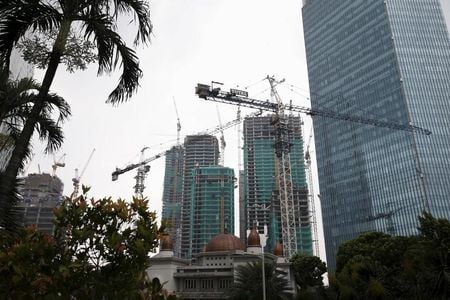
Indonesia's economy grew 5.47% year-on-year in the third quarter, government data showed on Thursday, beating the 5.2% expectation and accelerating from the 5.29% recorded in the second quarter. That is a welcome result for a country whose growth has been under scrutiny this year. Quarter-on-quarter growth of 1.6% also beat the expected 1.3%, though it slowed sharply from the 3.7% rise in the prior quarter.
The statistics bureau credited manufacturing, particularly the processing of palm oil into fuel as Indonesia expanded its mandatory biodiesel program. That detail matters. A growth engine that depends on a government-mandated fuel program is only as durable as the policy behind it. Strong numbers driven by mandates can look impressive on a quarterly chart while raising questions about cost, efficiency and who ultimately pays.
The report also notes weaker investor sentiment this year, linked to closer scrutiny of the government's fiscal plans and broader policy direction, along with ongoing downgrade risks on the stock market. A faster-than-expected quarter does not answer those concerns. Investors who have pulled back are not likely to be reassured by one strong print, especially when the quarter-on-quarter slowdown from 3.7% to 1.6% is a reminder that momentum can fade quickly.
The 2026 state budget projects growth of 5.4%, and Finance Minister Suahasil Nazara has said growth could slightly exceed that and reach 5.5% this year. If that happens, it would validate the budget's assumptions. But the government should be judged on whether it can explain how growth is being funded and whether its fiscal plans are credible, not only on whether the headline number clears a forecast.
The next step for policymakers is clear. They should publish a plain account of how biodiesel and related manufacturing support are affecting public finances, and they should use the coming quarters to rebuild investor confidence through transparency rather than optimism. Good growth figures are useful. Trust in the numbers that produce them is what keeps capital in the market.