Goldman Sachs expects European equities to deliver modest gains in 2027, forecasting a 9% total return for the STOXX 600 over the next 12 months. The bank's target of 700 for the index in 12 months implies a 5.6% price return, with the rest coming from dividends. That is a respectable number for investors who have grown used to volatility, but it is a far cry from the momentum that defined the region's earnings story in 2026.
The slowdown is the central issue. Goldman expects European earnings growth to fall to 7% in 2027 from 18% in 2026, partly because energy-sector earnings decline, economic growth weakens and corporate margins come under pressure. A market can still rise when earnings growth slows, but it rises on a thinner foundation. Europe's appeal rests on the hope that cheaper energy and lower bond yields will do the work that stronger profits no longer can.
That hope is reasonable but conditional. Goldman estimates that every 10% increase in Brent prices reduces European equity valuations by around 1%, which is a useful reminder of how exposed the region remains to energy shocks. The bank's forecast of Brent at $78 a barrel and TTF gas at €31 per megawatt-hour by the end of 2027 is therefore not a footnote. It is the premise of the entire call, and investors should treat it as a risk to be monitored rather than a settled assumption.
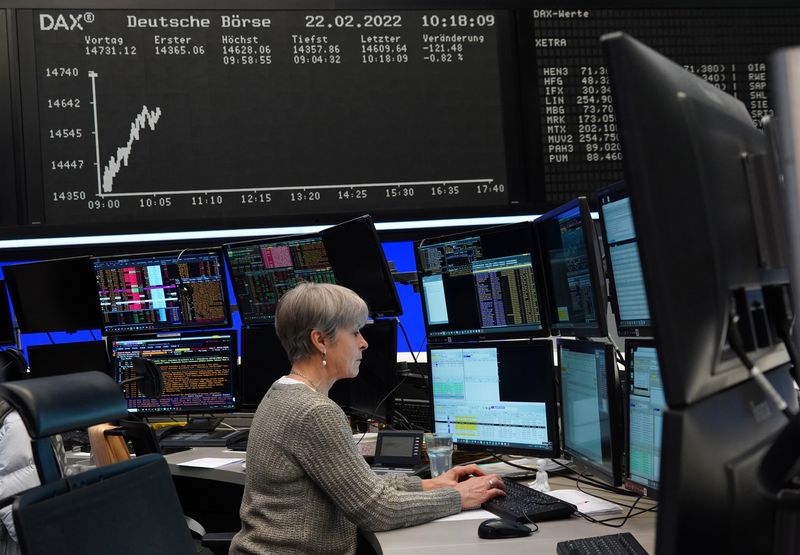
The sector and country tilts are more interesting than the headline index number. Goldman favours technology, retailers, telecoms, utilities, defence, aerospace and renewables, and it prefers the German DAX over the broader STOXX 600. It also cautions against French domestic equities, citing sovereign debt and subdued growth. European policymakers should read that last point as a warning. Fiscal credibility and growth are not separate questions, and a market that is told to avoid a major economy's domestic stocks is signalling something that deserves a serious answer.
Europe should not accept a future of modest returns as inevitable. Lower energy prices and German fiscal support are helpful, but they are not a strategy. Governments and companies need to convert cheaper inputs into productivity and investment, or the region will keep receiving the same polite forecast year after year.