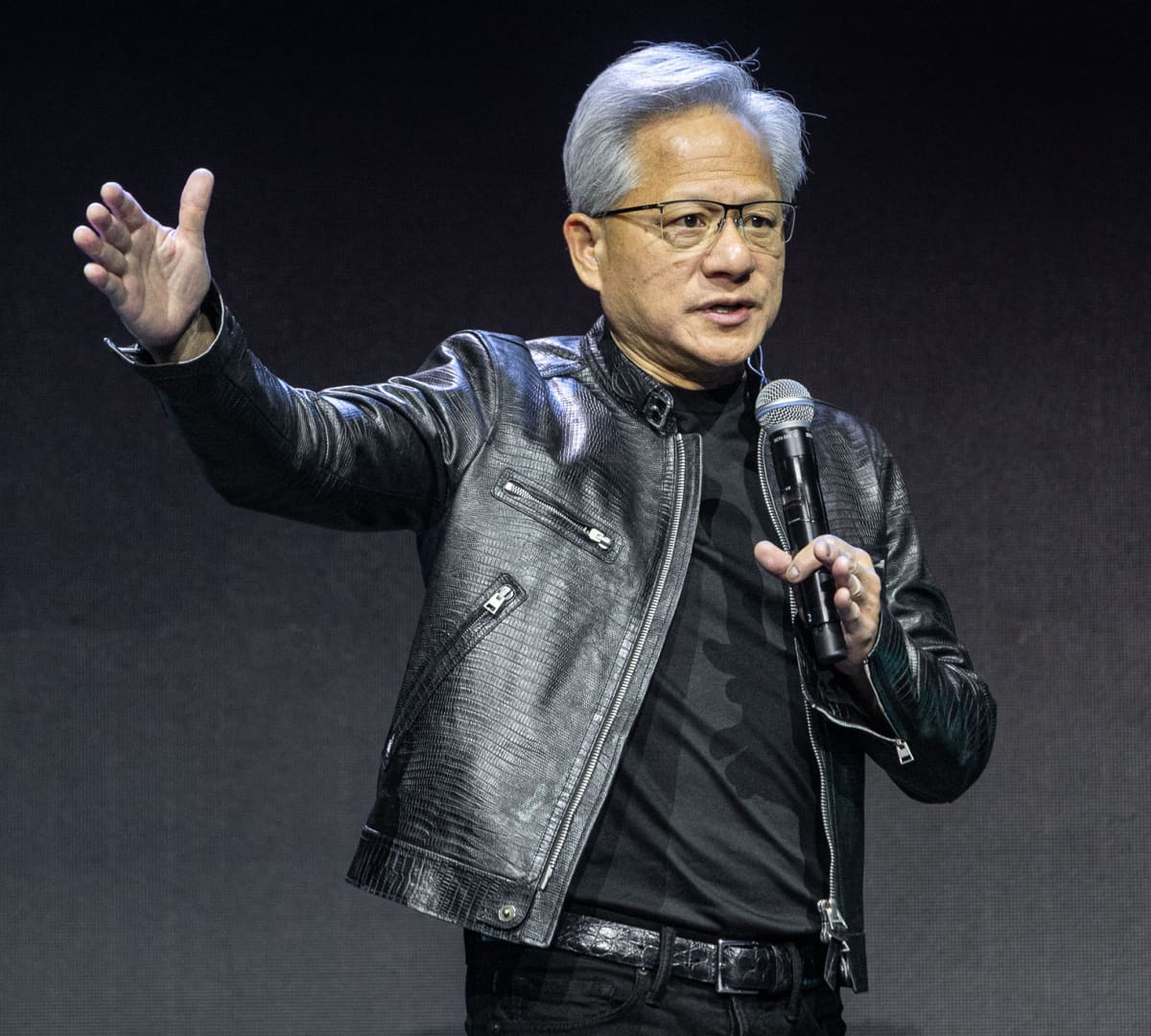
Jensen Huang told Nvidia staff on Tuesday that the company does not need a succession plan of the kind a normal organization would have, according to people inside the room. He said Nvidia operates a unique business model with multiple capable leaders running different parts of the company, and that a succession plan would create unnecessary hierarchy. Those people asked not to be named, so the account rests on their recollection rather than on any statement the company has published.
The reassurance is not persuasive. Huang resigned on Nov. 12 after multiple reported affairs, one of them with a Chinese businesswoman who is alleged to be a spy for Beijing. Eleven days later the board reinstated him. Harvey Jones, the newly appointed board chair, said the resignation followed the disclosure of personal behavior inconsistent with the company's code of conduct. A chief executive who left under those circumstances, and who was brought back within days, is exactly the case in which a documented succession process matters most.
The board's own statement makes the gap harder to defend. The company said it had received input from senior federal officials about potential national security risk around the CEO, and President Donald Trump told CNBC that he gave the board assurances and made the deal to restore Huang. A company whose leadership question has become a matter of national security should be able to show investors and regulators who would run the business if the CEO were removed again. Saying that structure makes such a plan unnecessary is not a substitute for showing one.
Investors were left to speculate about leadership after the resignation, and that speculation has not gone away. The stock surged more than 30% on the day of the reinstatement, after its worst week since 2008, and then fell on Tuesday. Those swings suggest the market is still pricing in uncertainty about the top job. The board should publish, at least in summary, its succession arrangements and name the executives who would act as CEO, rather than leaving that question to rumor and to the company's own staff meetings.