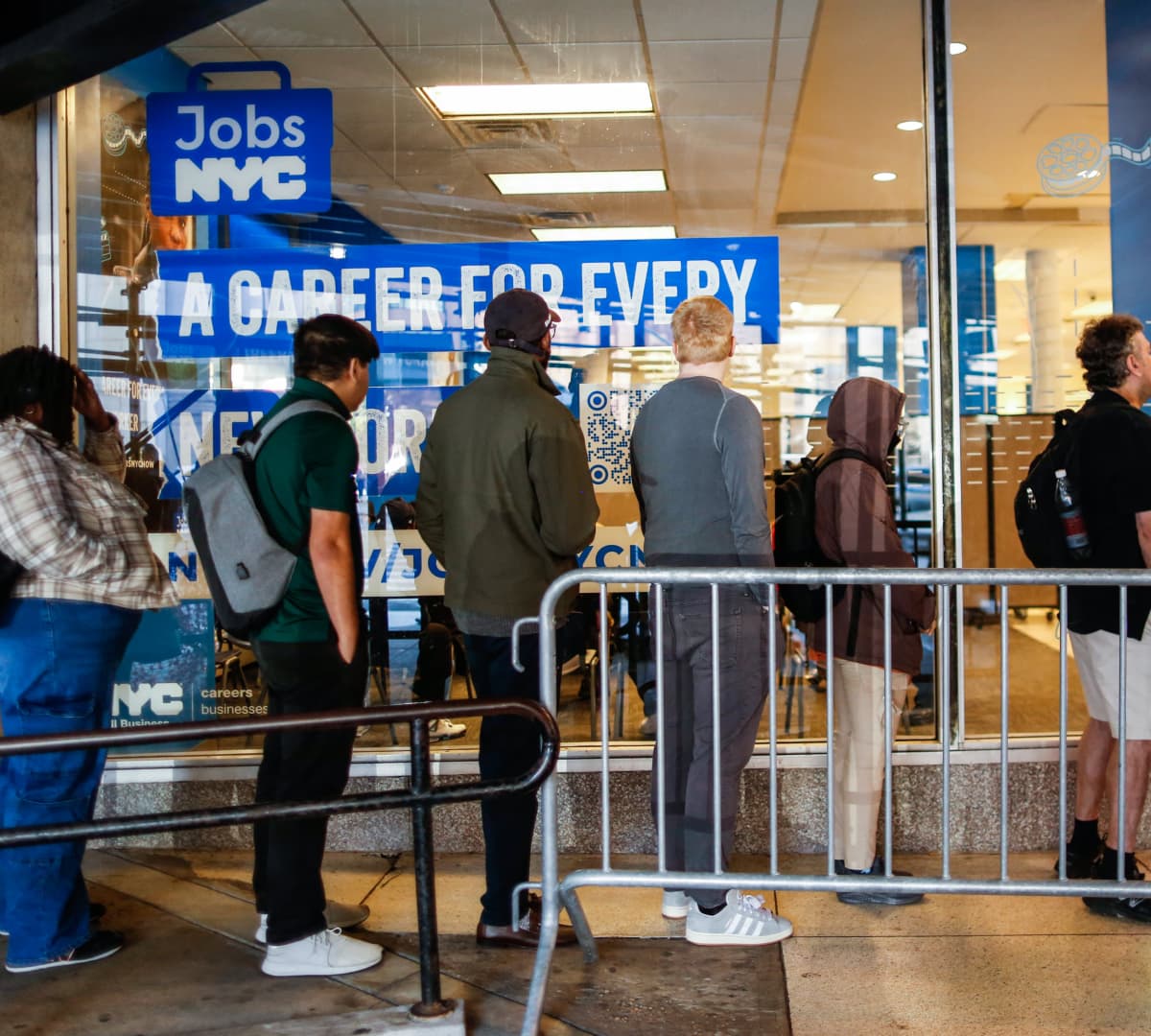
A strong jobs report can hide real suffering, and the October figures show exactly that. Nonfarm payrolls added 165,000 jobs, well above economists' forecasts, and the unemployment rate ticked down to 4.1%. Those are real gains. But the Bureau of Labor Statistics also reported that the average jobless worker's spell of unemployment surpassed 27 weeks in October on a seasonally adjusted basis, the longest outside the pandemic period since 2016.
The people behind that average are not a rounding error. About 2 million Americans have been without work for at least 27 weeks, and they made up 27.6% of all jobless workers in October, the highest share since late 2021. Cory Stahle of Indeed said the series can be noisy from month to month, but over a longer horizon "there is no mistake in the trend." Policymakers and commentators should take that trend seriously rather than letting a single month's payroll beat set the tone.
The Federal Reserve Bank of Richmond researchers quoted in the report warned that long unemployment can feed on itself. Skills may depreciate, networks may thin, and employers may read a long gap as a negative signal. Stahle made a related point: the average unemployed person now takes longer to find a job than their benefits last, since workers stop being able to claim most unemployment benefits after 26 weeks. The report notes that this may help explain why initial and continuing jobless claims have stayed low, which means the low claims figures can look reassuring while the people who are most at risk quietly fall further behind.
The fix starts with acknowledging that a "low-hire, low-fire" market is not the same as a healthy one. Layoffs and discharges fell to their lowest volume in more than a year, and job openings and quits rose, which are good signs. But the Disney job cuts and American Express's 5% head-count reduction, both cited in the report, show that job security is still uncertain for many workers. Elizabeth Renter of Life360 captured the mood when she said positive labor market narratives can seem jarring when a social circle is full of people who have been searching for months.
Better reporting should lead with the long-term unemployed, not bury them beneath a strong payroll number. Policymakers should track how long the jobless remain out of work as closely as they track headline hiring, and they should ask whether benefit durations and re-employment support match the reality of a seven-month search. A labor market is strong only when those at the back of the line can also get back in.